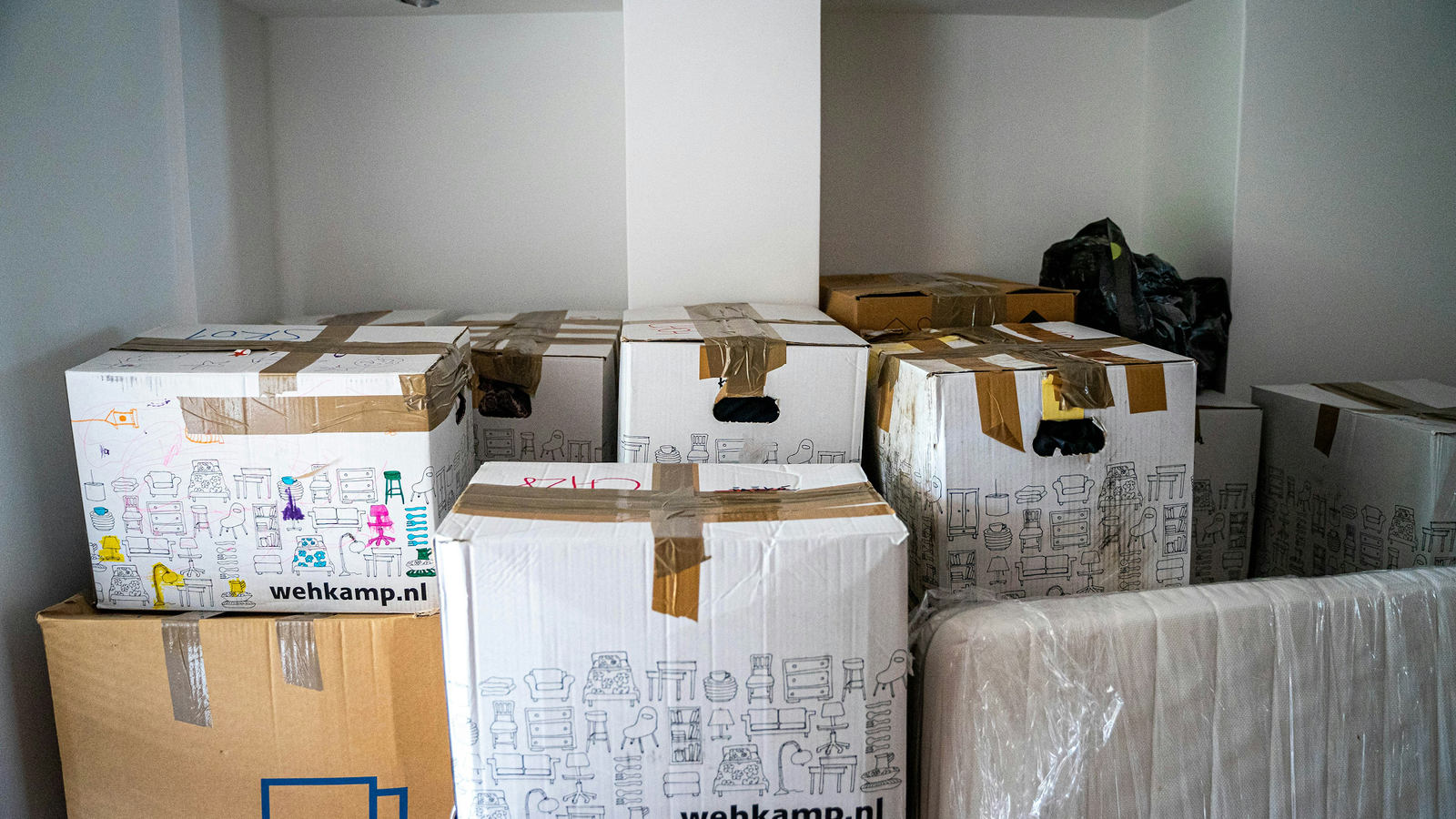

For many Corona and Lake Hills Reserve homeowners, the biggest question isn’t “Should we move?” It’s “How do we move without creating chaos, double payments, or temporary housing?”
- Step 1: Understand Your True Equity Position
- Step 2: Decide Your Move-Up Goal
- Step 3: Choose the Right Move-Up Strategy
- Step 4: Use Your Equity to Strengthen Your Purchase
- Step 5: Protect Your Timeline With a One-Move Plan
- Step 6: Launch Your Sale With Intention
- Step 7: Make Your Purchase From a Position of Strength
- Final Thoughts
Step 1: Understand Your True Equity Position
Most homeowners underestimate how much equity they actually have.
Your true equity = Current market value - remaining loan balance - selling costs
In Corona and LHR, many owners are sitting on:
- 6-10 years of appreciation
- Low interest rates
- Strong buyer demand
- Limited inventory
This creates a powerful equity position - one that can fund your next move without strain.
Step 2: Decide Your Move-Up Goal
Move-up buyers typically fall into one of three categories:
1. More Space
Growing families, multigenerational living, or lifestyle upgrades.
2. Better Layout
Open floor plans, larger kitchens, more bedrooms, or a downstairs suite.
3. Better Location
Views, privacy, schools, amenities, or elevation (especially in LHR).
Your goal determines your strategy - and how you use your equity.
Step 3: Choose the Right Move-Up Strategy
There are three modern, low-stress ways to move up using your equity.
Strategy A: Sell First, Then Buy (With a Rent-Back)
This is the cleanest, most predictable path.
How it works:
- You sell your current home.
- You stay in the home for 30-60 days using a rent-back.
- You shop for your next home with cash-like strength.
Why sellers love it:
- No double mortgage
- No temporary housing
- No rushed decisions
- Maximum leverage on the buy side
This is the most common move-up strategy in Corona.
Strategy B: Buy First Using Your Equity (Bridge Loan or HELOC)
This works best for sellers with strong income or high equity.
Tools that make it possible:
- Bridge loans
- HELOCs
- Cross-collateralization
- Equity-access programs
Why sellers choose it:
- You move once
- You shop without pressure
- You prepare your current home after moving out
This strategy gives you maximum convenience - with a bit more financial complexity.
Strategy C: Contingent Purchase (Modern Version)
Contingent offers used to be weak. Not anymore - when structured correctly.
How it works:
- You list your home
- You accept an offer
- You make your purchase contingent on your sale closing
Why it works today:
- Low inventory
- Motivated sellers
- Strong buyer demand
- Clean, well-written contingencies
This is ideal for sellers who want alignment without bridge financing.
For a deeper look at running both transactions together, see Selling and Buying Simultaneously.
Step 4: Use Your Equity to Strengthen Your Purchase
Your equity gives you leverage on the buy side.
You can use it to:
- Increase your down payment
- Reduce your monthly payment
- Eliminate mortgage insurance
- Compete with cash buyers
- Cover appraisal gaps
- Improve your offer terms
Equity = flexibility. Flexibility = stronger offers.
Step 5: Protect Your Timeline With a One-Move Plan
The biggest fear move-up sellers have is the “double move.”
You avoid that by controlling:
- Closing dates
- Rent-back periods
- Contingency timelines
- Loan approval windows
- Inspection sequencing
A well-structured timeline ensures:
- You move once
- You never feel rushed
- You never end up in temporary housing
- You stay in control from start to finish
This is where boutique representation makes the difference.
This timeline discipline is the heart of the The One-Move Strategy.
Step 6: Launch Your Sale With Intention
Your equity depends on your sale - and your sale depends on your launch.
A premium launch includes:
- Modern photography
- Clean staging
- Strategic pricing
- A coordinated marketing push
- A strong first 72 hours
The stronger your sale, the stronger your move-up position.
Step 7: Make Your Purchase From a Position of Strength
When your sale is structured correctly, you become the buyer every seller wants:
- Non-contingent (or cleanly contingent)
- Flexible on timelines
- Financially strong
- Motivated but not desperate
This is how move-up buyers win the home they actually want - not the home they settle for.
Final Thoughts
Using your equity to move up doesn’t have to be stressful. With the right structure, you can:
- Sell for maximum value
- Move once
- Avoid temporary housing
- Upgrade your lifestyle
- Protect your financial position
- Transition smoothly and confidently
Your equity is your advantage - and when used strategically, it becomes the key to a clean, modern, stress-free move-up experience.