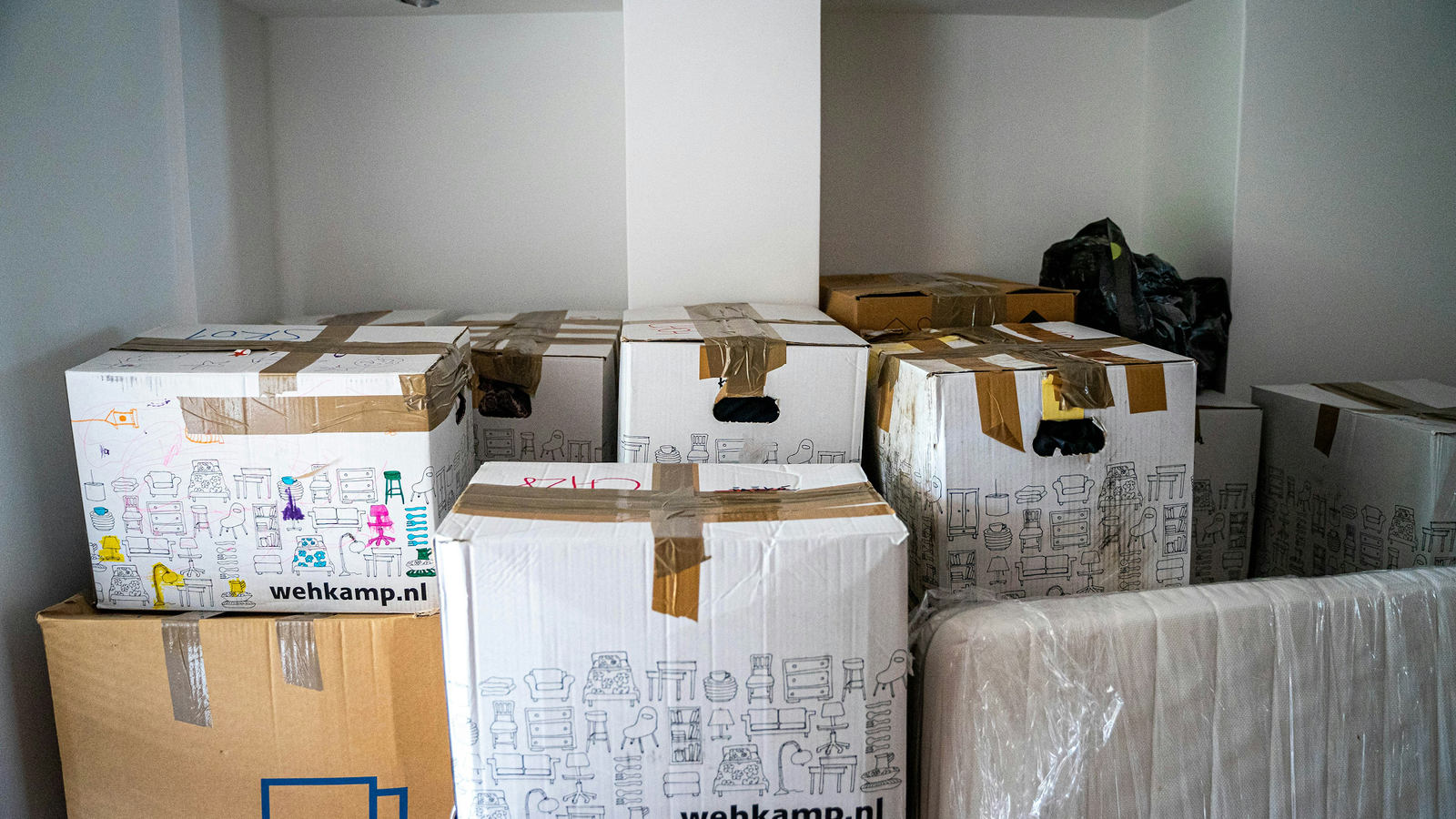

Selling your current home and buying your next one at the same time is one of the most stressful moves a homeowner can make - but it doesn’t have to be. With the right structure, the right timing, and the right negotiation strategy, you can transition smoothly without double-mortgages, rushed decisions, or temporary housing.
What a “Contingent Sale” Really Means
A contingent sale simply means your ability to buy your next home depends on successfully selling your current one. It’s a safety mechanism - and when structured correctly, it protects your finances, your timeline, and your negotiating position.
There are two main types:
- Sale Contingency - You can buy your next home only if your current home sells.
- Sale & Close Contingency - You can buy your next home only if your current home sells and closes.
Both are common. Both are negotiable. And both can be structured to your advantage.
The Three Ways to Move Up to Your Next Home
Every homeowner fits into one of these paths. The key is choosing the one that protects your equity and your timeline.
1. Sell First, Then Buy (Most Controlled)
You list your home, secure a buyer, and then shop for your replacement.
Why it works well:
- You know exactly how much equity you’re working with.
- You avoid carrying two mortgages.
- You negotiate from a position of strength.
How to avoid temporary housing:
- Negotiate a rent-back (you stay in the home after closing).
- Use a long escrow to give yourself time to shop.
This is the cleanest, safest path for most sellers.
2. Buy First, Then Sell (Fastest, but Requires Strength)
You purchase your next home upfront, then list your current one.
This works best when:
- You have strong income and debt-to-income ratios.
- You can qualify carrying both mortgages temporarily.
- You’re comfortable with a faster sale timeline.
This path gives you maximum convenience - but it’s not for everyone.
3. Buy & Sell Simultaneously With a Contingency (Most Common)
This is the classic “contingent sale.” You list your home and write offers on your replacement home at the same time.
Why this works:
- You stay protected financially.
- You avoid double-mortgages.
- You move directly from one home to the next.
The key: Your listing must be positioned to attract strong, fast offers - because sellers will only accept a contingent offer if your home is clearly ready to close.
Your equity is what gives this strategy its strength. Read Using Home Equity to Move Up.
How to Make Your Contingent Offer Competitive
A contingent offer doesn’t have to be weak. In fact, with the right structure, it can be extremely compelling.
Here’s how:
1. Have Your Home Fully Ready Before You Write Offers
Photos, inspections, disclosures, pricing - all done upfront. This signals: “We’re serious, we’re prepared, and we’re ready to close.”
2. Price Your Home Strategically
Not low. Not high. Positioned to attract the right buyer quickly.
Speed = leverage.
3. Use a Short Contingency Window
If your home is already listed and showing well, you can confidently shorten timelines.
4. Provide Proof of Activity
Show the seller:
- Your home is live on the market.
- You have showings scheduled.
- You have strong early interest.
This builds trust and reduces perceived risk.
How the Timeline Actually Works (Step-by-Step)
Here’s the cleanest version of a simultaneous move:
- Prep your home (photos, inspections, disclosures, pricing)
- List your home and begin showings
- Write offers on your replacement home
- Get your home into escrow
- Your contingent offer is accepted
- Both escrows run in parallel
- Close both homes on the same day
- Move once - directly into your new home
No storage units. No temporary rentals. No double-mortgages.
When sequenced correctly, this becomes a single, clean move. See The One-Move Strategy.
The Biggest Mistakes to Avoid
These are the traps that derail contingent moves:
- Listing too late (your offer won’t be accepted)
- Overpricing your home (kills momentum)
- Not preparing disclosures upfront (slows everything down)
- Writing offers before you’re ready (weakens your position)
- Choosing the wrong escrow timelines (creates unnecessary pressure)
A contingent move is all about sequencing - and sequencing is everything.
Final Thoughts
Selling and buying at the same time is absolutely doable when the process is structured correctly. The goal is simple:
Protect your equity. Control your timeline. Move once — without chaos.