Home staging is one of the most powerful tools a seller has — and one of the most underused. Study after study shows that staged homes sell faster and for more money than unstaged homes. According to the National Association of REALTORS®, staged homes sell for 5–10% more than non-staged comparable listings, and spend significantly less time on the market.
- Why Staging Works — The Psychology Behind It
- Staging vs. Decorating — Know the Difference
- Before You Stage Anything — The Non-Negotiables
- Room-by-Room Staging Guide
- 1. Living Room — Create Space and Flow
- 2. Kitchen — Clean Lines and Zero Clutter
- 3. Primary Bedroom — Sell the Retreat
- 4. Bathrooms — Spa-Like or Nothing
- 5. Backyard and Outdoor Spaces — Stage Your California Lifestyle
- Virtual Staging — The Smart Option for Vacant Homes
- How Much Does Staging Cost in Yorba Linda, Anaheim Hills, Chino Hills, Corona, and Eastvale?
- The Bottom Line
In Southern California and Yorba Linda, Anaheim Hills, Chino Hills, Corona, and Eastvale specifically, staging matters even more than the national average. Buyers in this market have high visual expectations shaped by HGTV, Instagram, and the polished new-construction model homes they tour on weekends. When they walk into your home, they are comparing it — consciously or not — to every other listing they've seen online and in person.
This guide gives you a practical, room-by-room staging playbook tailored to the Southern California buyer — what to focus on, what to skip, and how to get the most impact for your investment.
Staging is not about making your home look like someone else's. It's about removing distractions so buyers can see themselves living there — and that vision is directly correlated to offer price.
Why Staging Works — The Psychology Behind It
Buyers make purchase decisions emotionally and justify them logically. The emotional decision — "I can see myself living here" — happens within the first 30 seconds of walking through the door. Everything after that is the buyer building a rational case for the price they are willing to pay.
Staging creates the conditions for that emotional connection. A cluttered, personalized, or poorly arranged home forces buyers to mentally edit what they're seeing — to imagine it without the seller's furniture, photos, and belongings. That cognitive work creates friction, and friction kills offers.
A staged home eliminates that friction. It lets buyers experience the space as a clean canvas — and a clean canvas invites buyers to project their own lives onto it. That projection is the foundation of a strong offer.
Staging vs. Decorating — Know the Difference
The most common staging mistake sellers make is confusing staging with decorating. Decorating is about expressing your personal taste. Staging is about appealing to the broadest possible buyer pool.
That means removing your personality from the home — not adding more of it. It means neutral colors, edited furniture arrangements, minimal accessories, and absolutely no personal photos or memorabilia. The more a home looks like it belongs to a specific person, the harder it is for buyers to imagine it belonging to them.
Stage for your buyer, not for yourself. What you love about your home may not be what the next owner values. Neutral, light, and spacious always wins over personalized and maximalist.
Before You Stage Anything — The Non-Negotiables
No amount of staging can overcome a dirty, cluttered, or damaged home. Before you move a single piece of furniture or add a single accessory, these baseline conditions must be met:
Non-negotiable pre-staging checklist:
- Professional deep clean — every surface, every appliance, every window, every baseboard
- Declutter aggressively — remove at least 30–50% of the furniture and belongings in every room
- Depersonalize — remove all family photos, personalized art, religious items, and trophy collections
- Repair all visible defects — patched walls, re-grouted tile, tightened fixtures, unstuck doors and windows
- Fresh neutral paint on any room with bold, dated, or unusual colors
- Clean all windows inside and out — natural light is your most powerful staging asset
- Eliminate all odors — pets, cooking, must, cigarette smoke. If you can smell it, buyers can smell it louder.
Storage unit strategy: Rent a storage unit for 30–60 days during the listing period. Move out all excess furniture, seasonal items, garage overflow, and personal belongings. The cost ($100–$200/month) is one of the best investments a seller can make.
Room-by-Room Staging Guide
1. Living Room — Create Space and Flow
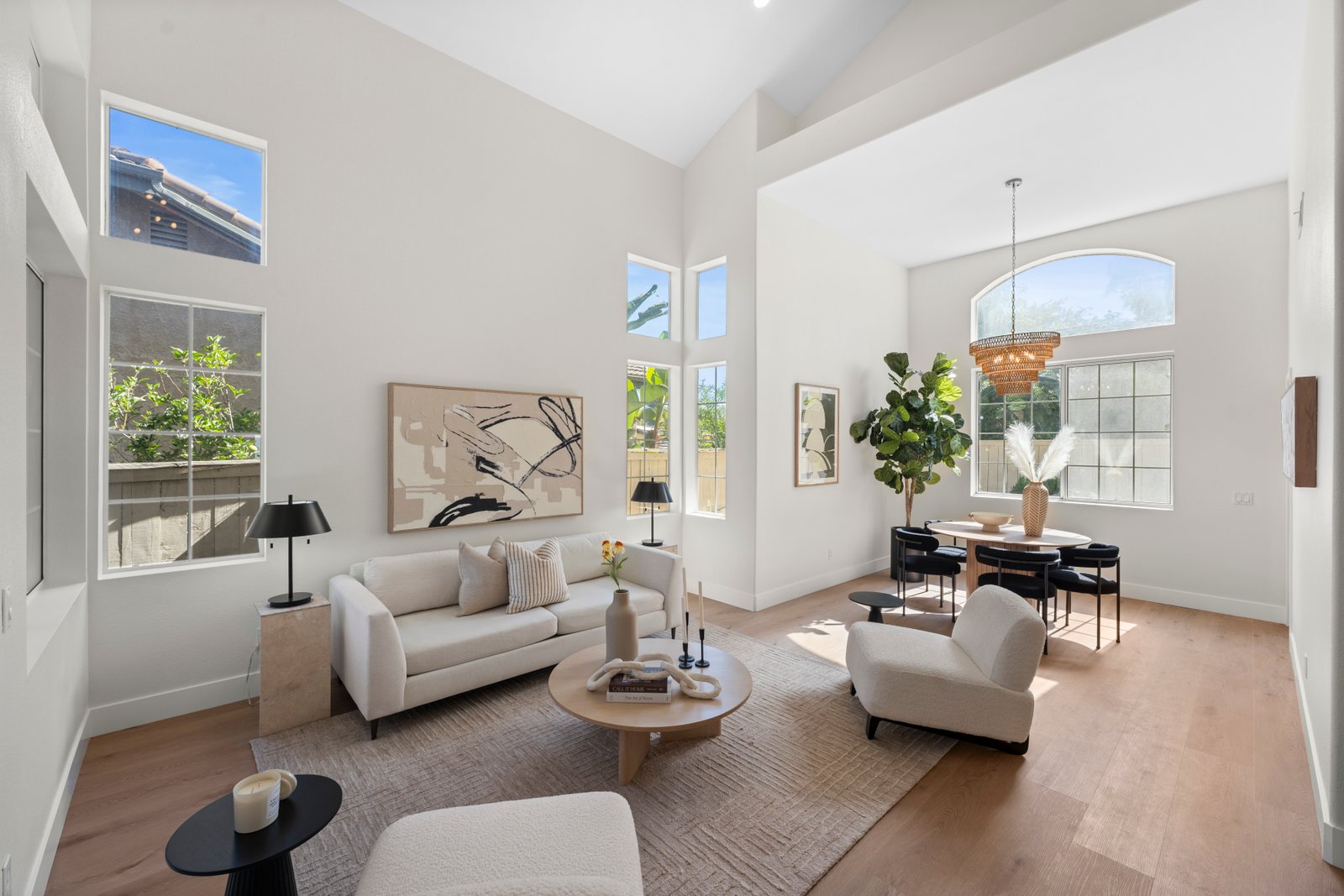
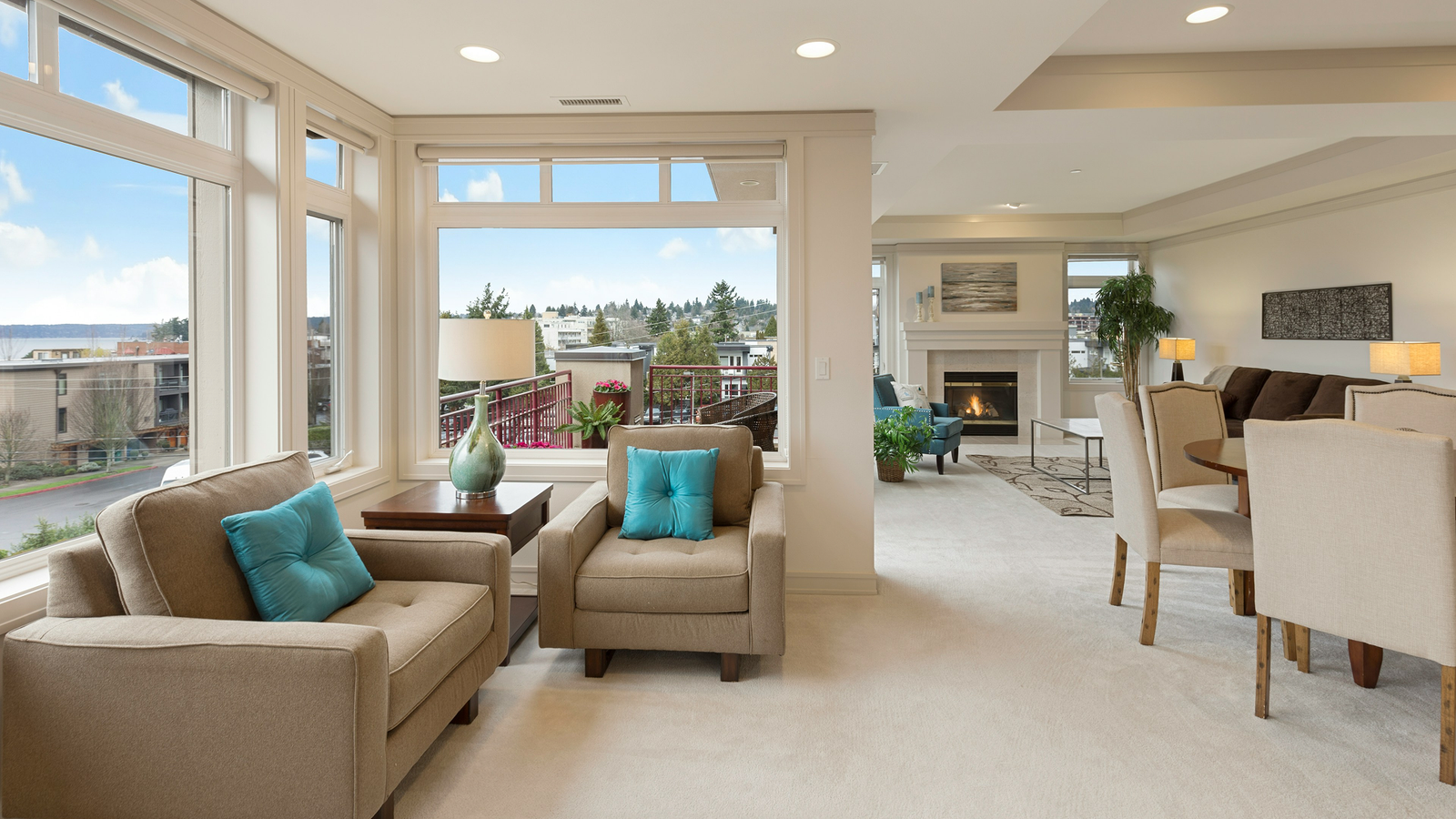
The living room is typically the first room buyers experience after the entry, and it sets the tone for the entire showing. The goal is spacious, light, and inviting — not cozy and full.
Living room staging essentials:
- Remove at least one-third of your furniture — oversized sofas, extra chairs, side tables, and ottomans that crowd the space
- Float furniture away from the walls — counterintuitively, pulling sofas and chairs away from walls makes the room feel larger
- Create a clear traffic flow path through the room — buyers should be able to walk through without squeezing
- Use a large area rug to anchor the seating arrangement — it defines the space and adds visual warmth
- Ensure all lighting works and is turned on for showings — combine ambient, task, and accent lighting for a warm, layered effect
- Add a single, simple centerpiece to the coffee table — a tray with a candle, a small plant, or a stack of books. Nothing more.
- Replace heavy drapes with lighter window treatments or remove them entirely to maximize natural light
Southern California tip: Buyers in our area and SoCal expect indoor-outdoor flow. If your living room has a door or slider to the backyard or patio, make sure that transition is clean, unobstructed, and visually connected. Open the doors during showings to extend the perceived square footage.
2. Kitchen — Clean Lines and Zero Clutter
Buyers spend more time in the kitchen than any other room. It is the most scrutinized space in the home, and its condition directly influences offer price more than any other room except the primary bedroom.
Kitchen staging essentials:
- Clear all countertops completely — one coffee maker and a small plant or bowl of fruit maximum. Nothing else.
- Remove all magnets, papers, notes, and personal items from the refrigerator
- Deep clean inside every cabinet and drawer — buyers open them. Every time.
- Organize pantry and cabinet contents neatly — buyers interpret organized storage as a well-maintained home
- Replace under-sink items with a clean liner and minimal products — buyers check under the sink for leaks
- Add a simple bowl of fresh fruit or a small herb plant on the counter — the only accessories that belong on a staged kitchen counter
- Ensure all cabinet doors and drawers open and close smoothly — buyers test every one
- Clean the range hood, stovetop, and oven interior — grease and residue are immediate negative signals
A staged kitchen counter communicates: this kitchen has plenty of workspace. A cluttered kitchen counter communicates: this kitchen doesn't have enough space. The difference is entirely in the presentation, not the square footage.
3. Primary Bedroom — Sell the Retreat
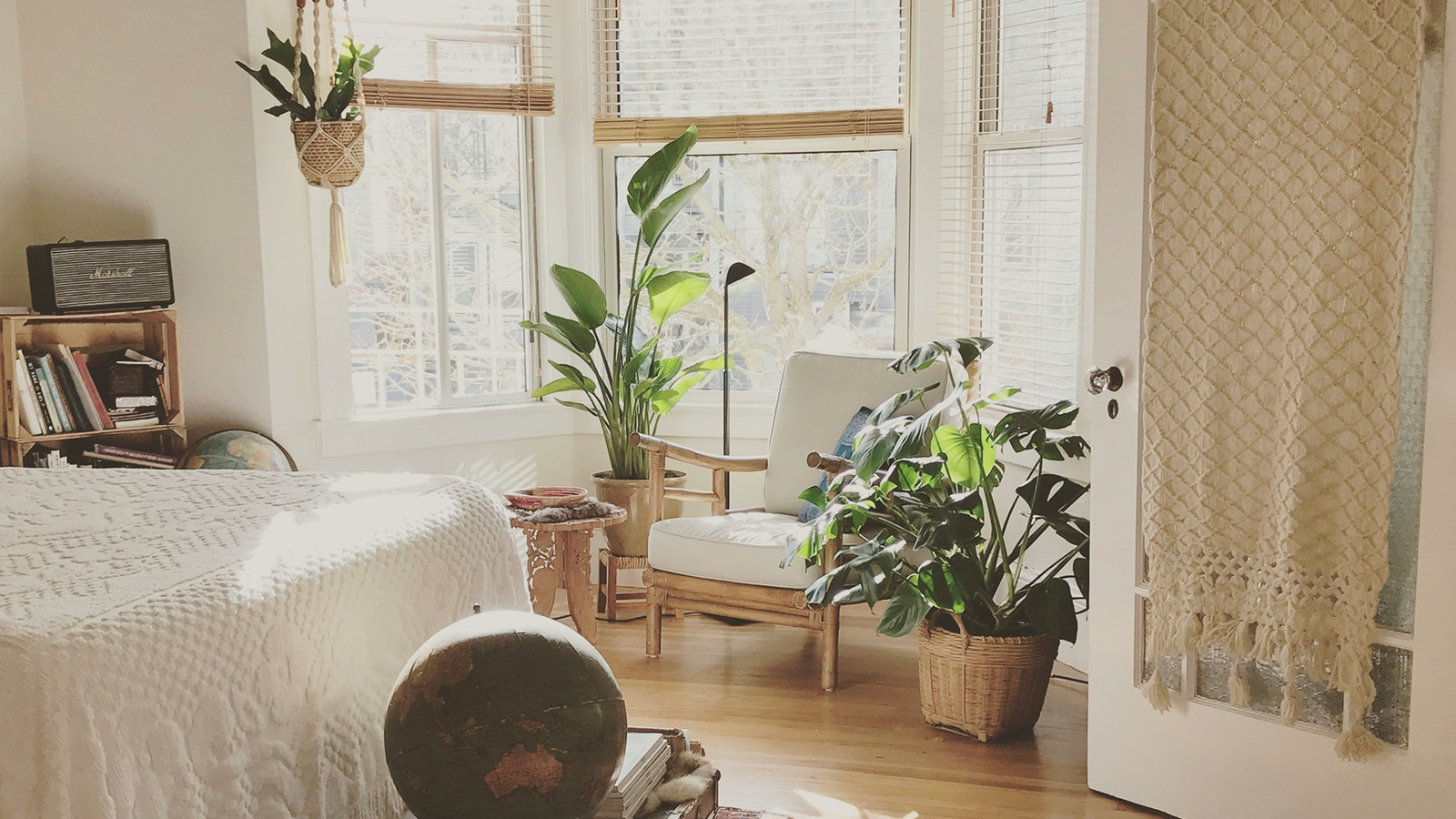
The primary bedroom is where buyers make their most emotionally driven decision about the home. It should feel like a retreat — calm, spacious, and aspirational. Think boutique hotel, not lived-in bedroom.
Primary bedroom staging essentials:
- Invest in hotel-quality white or neutral bedding — a crisp duvet, matching shams, and decorative pillows transform the room for $200–$400
- Remove all personal items from nightstands — a lamp, one book, and a small plant is the maximum
- Clear the dresser top completely — no jewelry, no perfume bottles, no framed photos
- Organize the closet — half-empty, neatly organized closets signal abundant storage. Remove seasonal clothing and off-season items to storage.
- Remove excess furniture — if the room feels tight with the bed, dresser, and two nightstands, remove the dresser
- Match all bedding and pillows in a cohesive neutral palette — whites, taupes, soft greys, or warm linens
- Add a single piece of art above the bed — large scale, neutral subject, centered
IE seller tip: Southern California buyers place high value on primary bedroom size. If your primary feels smaller than it is due to furniture scale, consider replacing an oversized bed frame with a lower-profile option to visually open up the room.
4. Bathrooms — Spa-Like or Nothing
Buyers judge bathrooms harshly and quickly. A bathroom that reads as dirty, cluttered, or dated suppresses buyer confidence throughout the rest of the showing. A bathroom that reads as clean, minimal, and spa-like elevates the entire home's perceived value.
Bathroom staging essentials:
- Remove all personal care products from shower, tub, and countertops — every shampoo bottle, soap, and razor
- Add a single set of freshly laundered, folded white towels on the towel bar — hotel-style
- Place a simple soap dispenser and small plant on the vanity — nothing else
- Hang a clean, neutral shower curtain if applicable — white or soft linen
- Clean the grout thoroughly — buyers notice grout more than almost any other surface
- Replace the toilet seat if it shows age or discoloration — costs $30–$80 and makes an outsized impression
- Add a small framed mirror or simple art piece if the wall is bare
- Ensure the exhaust fan works — buyers turn it on
Remove every personal care product from bathroom surfaces before every showing. A staged bathroom should look like no one uses it — that is the standard buyers in Southern California expect.
5. Backyard and Outdoor Spaces — Stage Your California Lifestyle
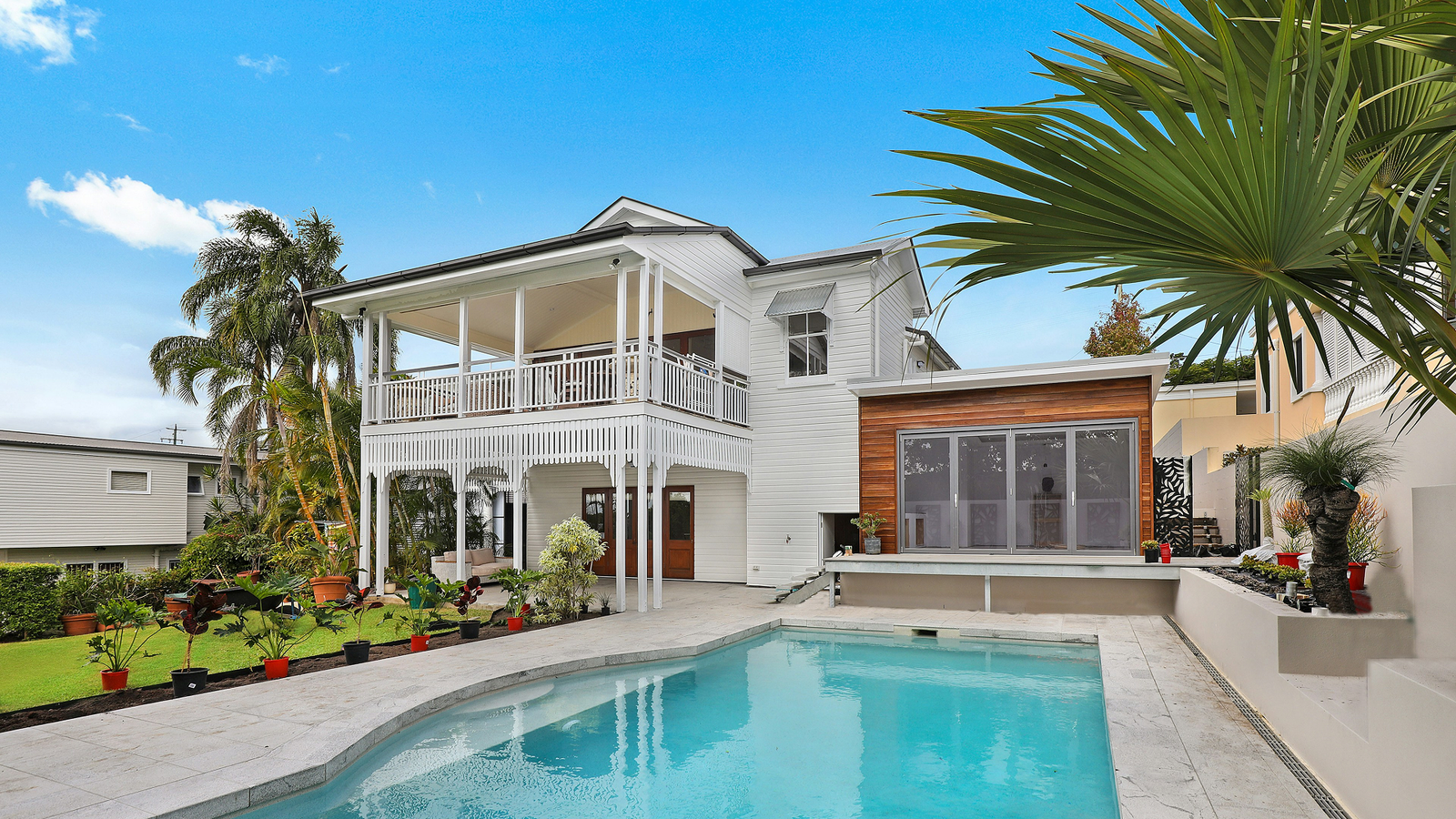
In Southern California, the backyard is not a bonus — it is a primary selling feature. Buyers in Yorba Linda, Anaheim Hills, Chino Hills, Corona, and Eastvale expect outdoor living, and a neglected or cluttered backyard actively suppresses value even when the interior is beautifully staged.
The outdoor staging goal is simple: show buyers that this backyard is an extension of the home's living space, not a storage area.
Backyard staging essentials:
- Remove all clutter — toys, tools, hoses, old furniture, trash cans, and anything that doesn't belong in a showroom
- Power-wash all hard surfaces — patio, concrete, pavers, fence panels. The difference is dramatic.
- Set up an outdoor dining or seating arrangement — even a simple 4-piece bistro set on a clean patio communicates lifestyle
- Add potted plants or flowers to the patio — color and greenery photograph beautifully
- Mow, edge, and blow all lawn areas — no exceptions, before every showing
- Clean or cover the BBQ — a clean, covered grill signals a maintained outdoor space
- If you have a pool or spa, ensure it is clean, balanced, and running for all showings — a dirty pool is worse than no pool
Southern California staging advantage: Stage the backyard as a second living room. A bistro set under a patio cover, string lights overhead, and a potted olive tree in the corner creates a lifestyle image that resonates deeply with SoCal buyers — and photographs exceptionally well.
Virtual Staging — The Smart Option for Vacant Homes
If your home is vacant — either because you've already moved out or because it was an investment property — professional virtual staging is one of the best investments you can make. Empty homes are notoriously difficult to sell because buyers struggle to understand scale and can't visualize how furniture would fit.
Virtual staging uses 3D rendering to digitally furnish rooms in listing photos, creating the visual experience of a fully staged home at a fraction of the cost of physical staging.
Virtual staging facts:
- Cost: $50–$150 per room for high-quality virtual staging
- Turnaround: typically 24–48 hours
- Impact: virtually staged listings generate significantly more online clicks and showing requests than empty-room photos
- Disclosure: California requires that virtually staged photos be labeled as such — "virtually staged" notation is required on each altered image
Best practice: Combine virtual staging for online photos with minimal physical staging (fresh paint, clean surfaces, a few real accessories) for in-person showings. Buyers who loved the photos will arrive expecting the visual quality — make sure the in-person experience matches.
How Much Does Staging Cost in Yorba Linda, Anaheim Hills, Chino Hills, Corona, and Eastvale?
| Staging Option | Typical Cost (IE) | Best For |
|---|---|---|
| DIY staging (declutter + clean + rearrange) | Free – $500 | Occupied homes with good bones |
| Partial professional staging (key rooms only) | $800 – $2,000 | Occupied homes needing targeted help |
| Full professional staging (furnished) | $2,500 – $6,000/month | Vacant or poorly furnished homes |
| Virtual staging (photos only) | $300 – $800 for full home | Vacant homes on a tight budget |
| Consultation only (stager advises, you execute) | $150 – $400 flat fee | Sellers who want guidance, not full service |
The Bottom Line
Home staging in Southern California is not a luxury add-on — it is a competitive necessity. In a market where buyers are visually sophisticated and inventory is being compared side by side on Zillow and Redfin, the presentation quality of your home directly determines how many buyers schedule showings, how many offers you receive, and how high those offers go.
You don't need to spend thousands on a professional stager to see the benefits. Start with the basics — deep clean, declutter, depersonalize, and maximize natural light — and you will already be ahead of the majority of competing listings in your price range.
Add in the room-by-room tips above, address your curb appeal and backyard, and you have a home that is ready to compete at the highest level the local market has to offer in 2026.
Sell Smarter with SEAH Realty — Full-Service Support at a Flat Fee
When you sell with SEAH Realty, you get a licensed California agent guiding you through every offer, negotiation, and contract — and because we operate on a flat fee full-service model, you keep more of your home equity. On a $700,000 sale, a traditional 2.5–3% listing commission costs $17,500–$21,000. Our model gives you everything below for a fraction of that — so more of what your home is worth stays in your pocket.
🏡 Home Preparation & Marketing Strategy
- Strategic pricing supported by a comprehensive Comparative Market Analysis (CMA)
- High-ROI repair recommendations and market-ready home preparation
- Access to pre-negotiated rates with licensed vendors and contractors
- Contractor coordination and project management
📣 Marketing Strategies to Maximize Exposure
- Professional Photography, Twilight & Drone Photos, 3D Tours, and Brochures
- Paid Zillow Showcase℠ — drives 79% more online traffic to your listing
- Open house promotion and management
📋 Offers, Negotiation & Closing
- Buyer qualification and financial vetting
- Skilled negotiation and guidance on multiple-offer situations and counteroffer strategies
- Full disclosure management and compliance support throughout the transaction
- Contract-to-close transaction coordination with regular status updates